In the electronics manufacturing industry, turnkey PCB assembly lead time has become a key metric for evaluating production efficiency and supply chain stability. With the rapid growth of AI computing, automotive electronics, and IoT devices, hardware product development cycles are becoming shorter. As a result, companies increasingly focus on quick turn PCB assembly, PCBA lead time management, and stable electronic component sourcing.
For hardware engineers, procurement managers, and startup teams developing new devices, understanding PCB assembly lead time, component sourcing lead time, SMT production scheduling, and PCB manufacturing turnaround time is essential for accurate project planning and risk control.
Lead Time Challenges in Accelerated Hardware Development
Traditional electronics manufacturing processes often separate PCB fabrication, component procurement, SMT assembly, and product testing across different suppliers. This fragmented model creates gaps in the manufacturing workflow. If any stage experiences delays, the overall delivery schedule can be affected.
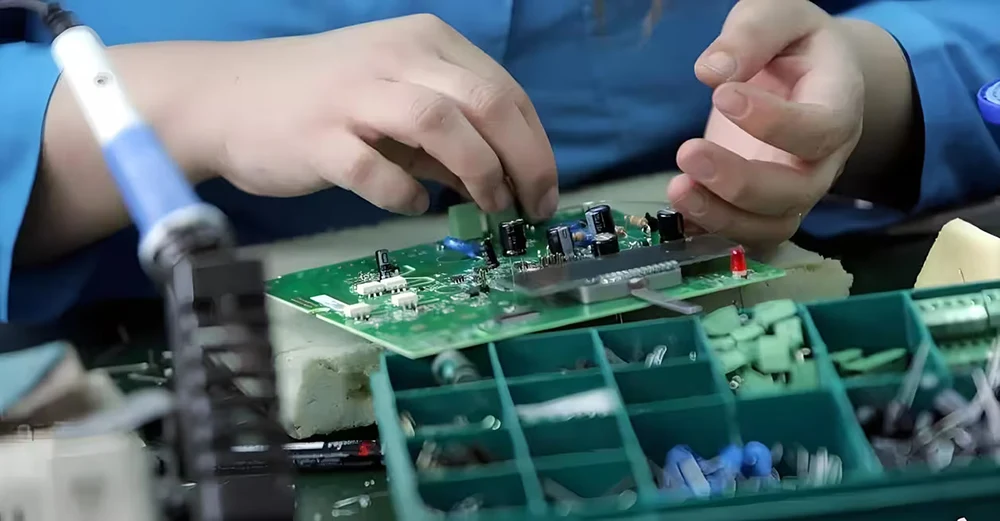
Industry studies indicate that after global supply chain disruptions, the average PCBA lead time increased significantly, with approximately 40% of manufacturers reporting that electronic component shortages are the primary cause of delivery delays [1]. This means improving production speed alone is not enough; companies must manage the entire supply chain more effectively.
Research in manufacturing systems also suggests that in modular production environments, delays in critical component supply can halt the final assembly process, highlighting the importance of synchronizing procurement and manufacturing schedules [2]. In PCB assembly projects, this phenomenon is particularly noticeable because a single circuit board may require dozens or even hundreds of components.
Understanding Turnkey PCB Assembly Lead Time
In a turnkey PCB assembly model, the manufacturer handles the complete process, including BOM procurement, PCB fabrication, assembly, testing, and final delivery. Therefore, the lead time generally refers to the total end-to-end production cycle.
The main stages typically include the following processes.
PCB Manufacturing
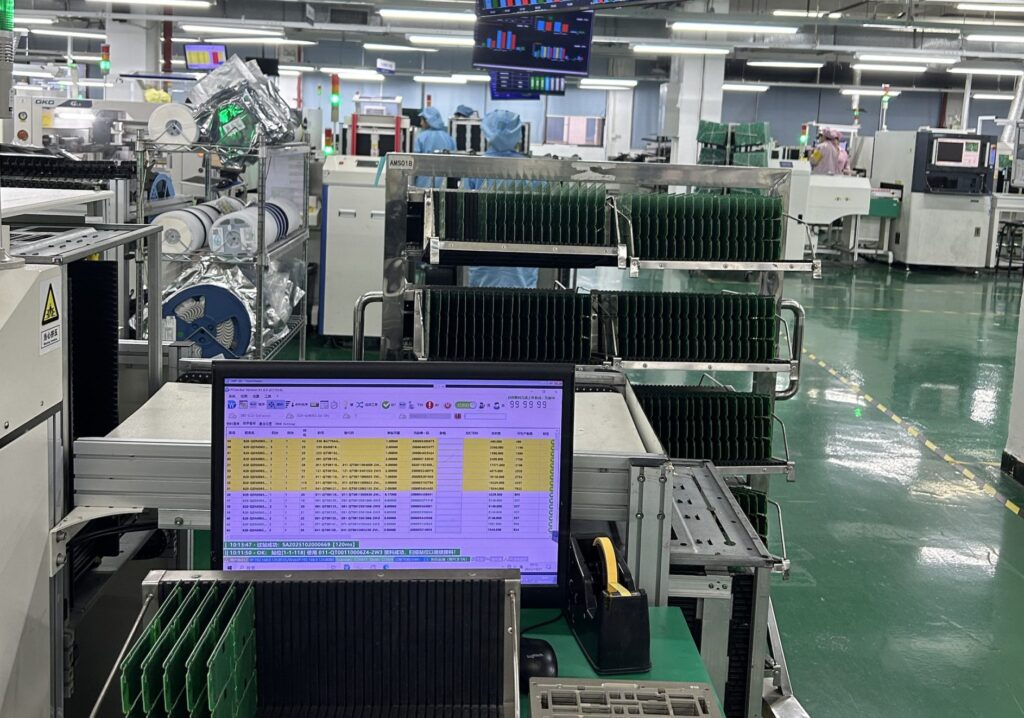
The PCB fabrication stage includes processes such as lamination, drilling, plating, and surface finishing. Production time depends largely on the board structure.
Typical industry estimates include:
- 2–4 layer PCBs: approximately 3–5 days
- multilayer or HDI boards: more than 10 days
Additional complexity, such as high-frequency materials or impedance control, may extend production time.
Component Sourcing
Component sourcing is often the most critical factor affecting PCBA lead time.
Typical procurement timelines include:
- standard passive components: available in stock or within 1–3 days
- common ICs: about 3–7 days
- specialized chips: 2–8 weeks
- long lead-time components: 8–26 weeks or more
In many projects, the production bottleneck is not the SMT assembly process but rather the availability of key components.
SMT Assembly and Through-Hole Assembly
Once all components are available, the PCBA enters the assembly stage, which typically includes:
- SMT placement
- reflow soldering
- through-hole insertion (DIP assembly)
- automated optical inspection (AOI)
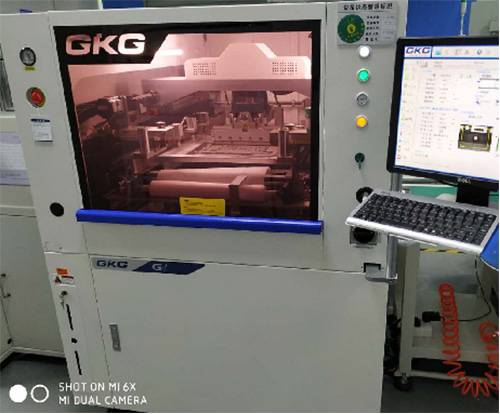
Modern SMT production lines can achieve extremely high placement speeds, and the assembly stage usually requires around 3–7 days depending on order volume and product complexity.
Testing and Quality Control
After assembly is completed, the boards undergo multiple inspection and testing procedures to ensure reliability.
Common testing methods include:
- automated optical inspection (AOI)
- X-ray inspection
- functional circuit testing (FCT)
- burn-in or reliability testing
These tests help ensure the finished PCBA meets required electrical and quality standards before shipment.
Typical Turnkey PCBA Lead Time in the Industry
Based on industry production data, typical turnkey PCB assembly lead times are generally categorized as follows:
| Production Stage | Typical Lead Time |
|---|---|
| Prototype PCB Assembly | 3–7 days |
| Small Batch Production | 10–15 days |
| Medium Volume Production | 2–4 weeks |
| Mass Production | 3–6 weeks |
These timelines usually include PCB manufacturing, component procurement, SMT assembly, and quality inspection.
In some cases, turnkey manufacturers reduce overall lead time by running multiple processes in parallel. For example, component sourcing may begin while PCB fabrication is still in progress. Studies of manufacturing workflow optimization show that parallel production strategies can reduce total production time by up to 30–40% [3].
Key Factors Affecting Turnkey PCB Assembly Lead Time
Component Availability
In most PCBA projects, the latest arriving component determines when production can start.
This is especially relevant in sectors such as AI computing hardware, automotive electronics, and industrial control systems, where high-performance chips may face supply constraints.
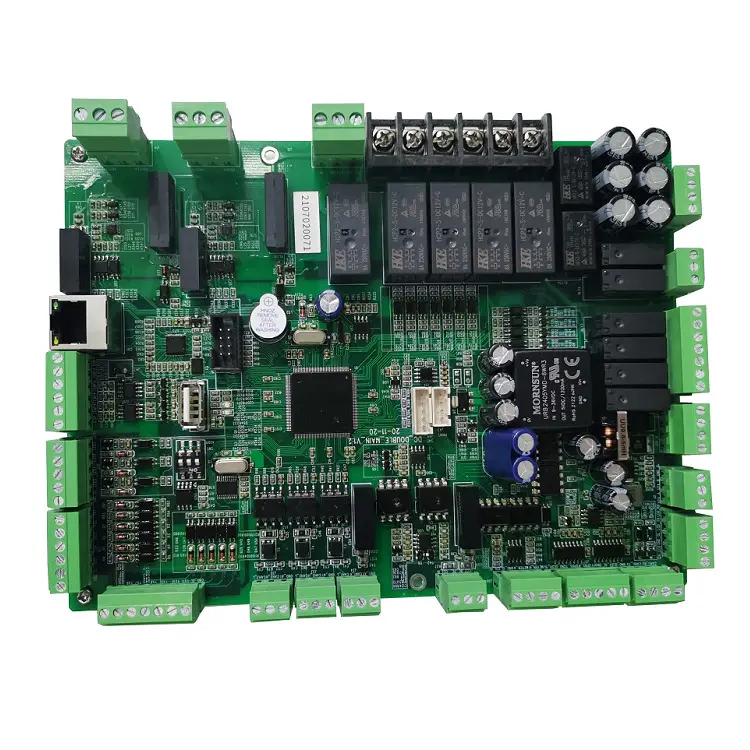
Industry statistics show that component shortages account for around 40% of production delays in electronics manufacturing [1].
To reduce supply risks, many turnkey manufacturers maintain strong sourcing capabilities, including:
- maintaining inventory of common electronic components
- building stable relationships with distributors
- providing alternative component recommendations during BOM review
PCB Design Complexity
PCB design complexity directly affects production efficiency. Common challenges include:
- BGA packaging
- HDI PCB structures
- high-frequency or high-speed signal boards
- ultra-small components such as 01005 packages
If design files do not follow design for manufacturing (DFM) guidelines, engineering changes may be required during production, which can extend lead time.
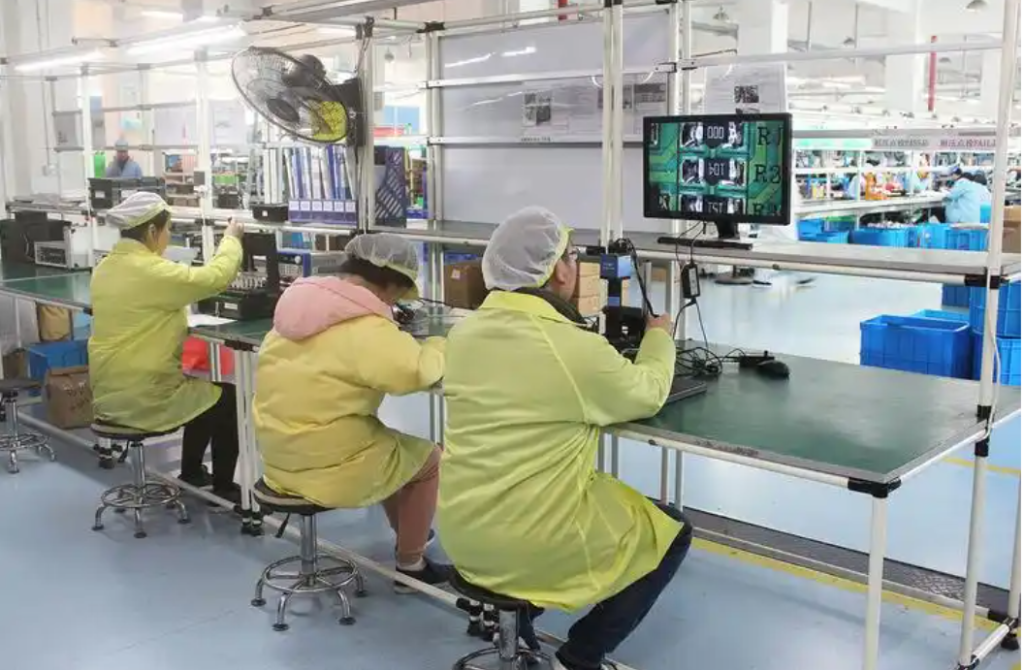
Early DFM analysis allows manufacturers to detect layout issues before fabrication begins, preventing costly delays later in the process.
Production Management and Quality Systems
Production efficiency also depends on manufacturing management and quality control systems.
In recent years, many electronics manufacturers have introduced AI-based visual inspection systems to improve defect detection. Research indicates that automated inspection using machine learning can reduce manual inspection time while maintaining high accuracy in electronics manufacturing environments [4].
These technologies help manufacturers shorten inspection cycles and improve overall PCB assembly turnaround time.
How to Reduce Turnkey PCB Assembly Lead Time
Companies can take several practical steps to shorten production cycles and improve project delivery schedules.
Optimize the Bill of Materials
During the design stage, it is recommended to:
- prioritize widely available components
- avoid obsolete or discontinued parts
- reduce reliance on single-source components
These practices can significantly reduce procurement risks.
Perform DFM Analysis Early
Running DFM analysis before submitting design files helps identify potential manufacturing issues, such as:
- improper pad design
- insufficient component spacing
- thermal imbalance problems
Solving these issues early helps avoid design revisions during production.
Work with Manufacturers with Strong Supply Chains
Experienced turnkey PCB assembly providers typically have:
- established global component sourcing networks
- multiple SMT production lines
- advanced testing equipment
These capabilities help ensure faster PCB assembly turnaround time and more reliable production schedules.
Evaluating the Reliability of a Supplier’s Lead Time
When selecting a PCB assembly partner, companies should carefully evaluate whether the quoted lead time reflects realistic production conditions.
Confirm Whether Procurement Time Is Included
Some suppliers only provide assembly lead time estimates without including the component procurement phase. This can result in unrealistic delivery promises.
Request Supply Chain Analysis Reports
Professional PCBA manufacturers often provide BOM sourcing reports or approved vendor list (AVL) analysis to confirm component availability and procurement timelines.
Check Production Tracking Capabilities
Advanced electronics manufacturing service providers often offer digital production tracking systems. These systems allow customers to monitor:
- component sourcing status
- SMT assembly progress
- inspection and testing stages
Production transparency significantly improves delivery predictability and helps companies manage project schedules more effectively.
Conclusion
Turnkey PCB assembly lead time is influenced by multiple factors, including component procurement timelines, PCB design complexity, and manufacturing efficiency.
In modern electronics manufacturing, optimizing PCB assembly turnaround time requires a combination of supply chain management, DFM optimization, and advanced inspection technologies.
By selecting experienced turnkey PCB assembly partners and designing products with manufacturability in mind, companies can reduce production delays and accelerate hardware product development cycles.
References
[1] PCB Assembly Industry Statistics Report – ZipDo
[2] Meijer, M. S. et al. Synchronization in a Two-supplier Assembly System – arXiv
[3] Turnkey PCB Manufacturing Parallel Workflow Analysis – FR4PCB Blog
[4] Chung, A. et al. AI-based Visual Inspection for Electronics Manufacturing – arXiv