Prototype PCB Assembly is a fast, low-volume PCBA service used to verify the functionality, reliability, and manufacturability of new electronic designs before mass production. At SAYFU, it combines bare PCB fabrication, component sourcing, SMT/THT assembly, and engineering review in one manufacturing path, built in China. The goal is simple: help engineers validate designs quickly, then move into low-volume or production builds with minimal cost and risk.
Send your Gerber files and BOM to [email protected] for a fast, accurate quote.
What Is Prototype PCB Assembly?
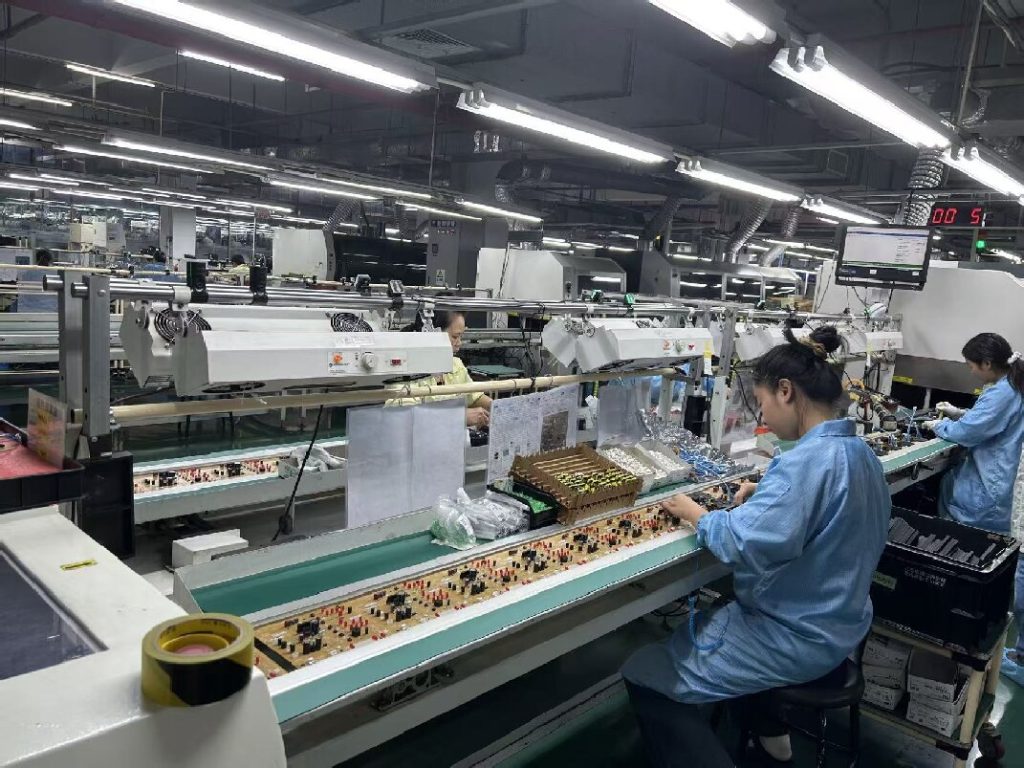
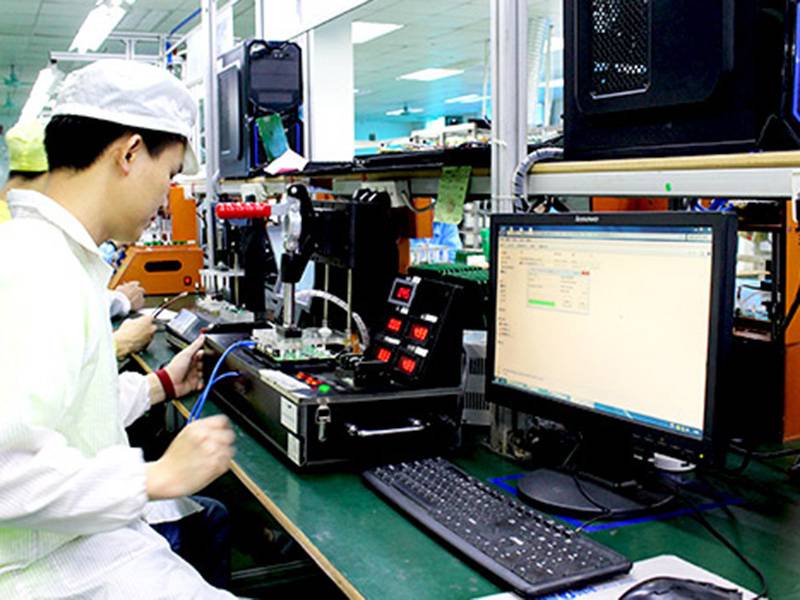
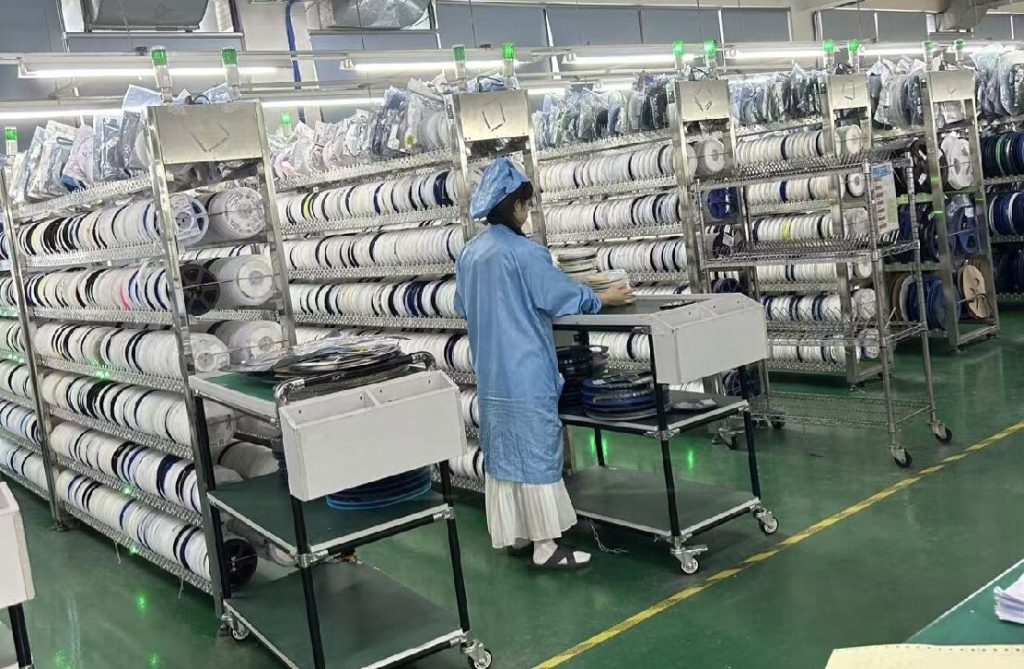
Prototype PCB Assembly — also known as PCBA prototype assembly, SMT prototype assembly, or PCB sample assembly — is the assembly of a small quantity of printed circuit boards for engineering validation and functional testing. It is a standard step in the product development cycle, used to verify circuit functionality, detect design or layout issues, test component compatibility, and confirm manufacturability before a design moves into volume production. Most new designs go through two to three prototype iterations before they are considered stable and ready for production.
How Prototype PCB Assembly Differs from Bare PCB Prototyping
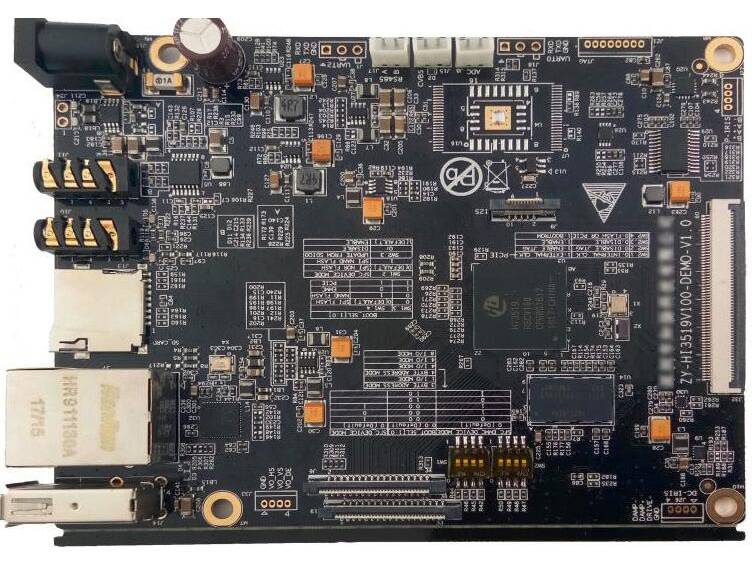
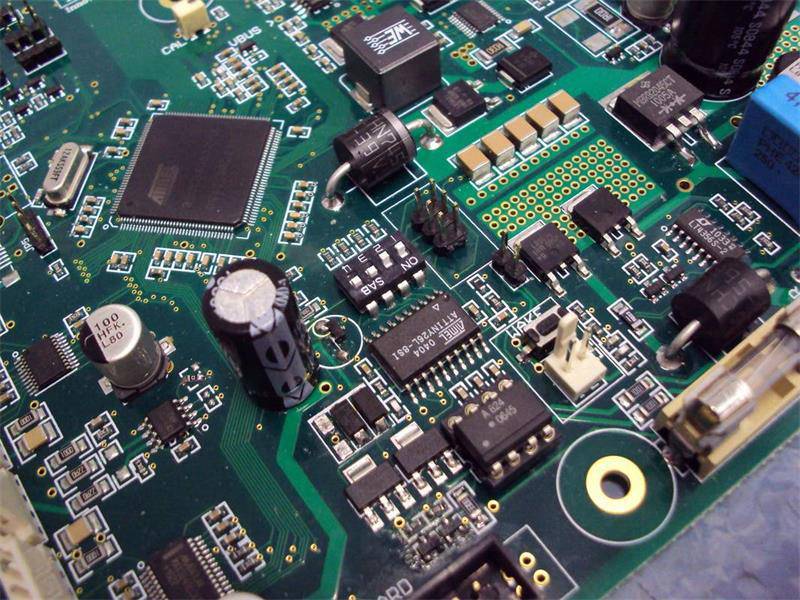
A bare PCB prototype only confirms that the board can be fabricated to spec. Prototype PCB assembly goes further — it combines the fabricated board with sourced components, SMT/THT assembly, and inspection, producing a build that engineers can actually power on, test, and debug. Catching BOM, footprint, or panelization issues at this stage is far less costly than discovering them during a production run.
Who Needs Prototype PCB Assembly Services
Prototype PCB assembly is used by hardware engineering teams validating a new design, NPI teams preparing for design transfer, startups building their first hardware prototype, technical procurement teams sourcing a build partner, and companies preparing for pilot production.
PCB Fabrication and Assembly Under One Roof — Manufactured in China
SAYFU handles PCB fabrication and PCB assembly in one manufacturing path rather than splitting the work between separate vendors.
PCB Fabrication and Assembly Coordination
Because fabrication and assembly happen in the same path, decisions that affect both are coordinated from the start instead of being re-confirmed between two separate suppliers:
- Panelization and stencil design
- Surface finish and stack-up
- Fiducial placement
Engineering support during the layout and fabrication stage also covers impedance calculation, stack-up and lamination design, and EMC/EMI design analysis.
Reducing Handoff Risk Between PCB Prototype and Assembly
When PCB fabrication and assembly are split across two vendors, every file revision, panelization change, or surface-finish question has to be re-confirmed between them, adding both time and risk of miscommunication. Keeping fabrication and assembly in one path removes that handoff step.
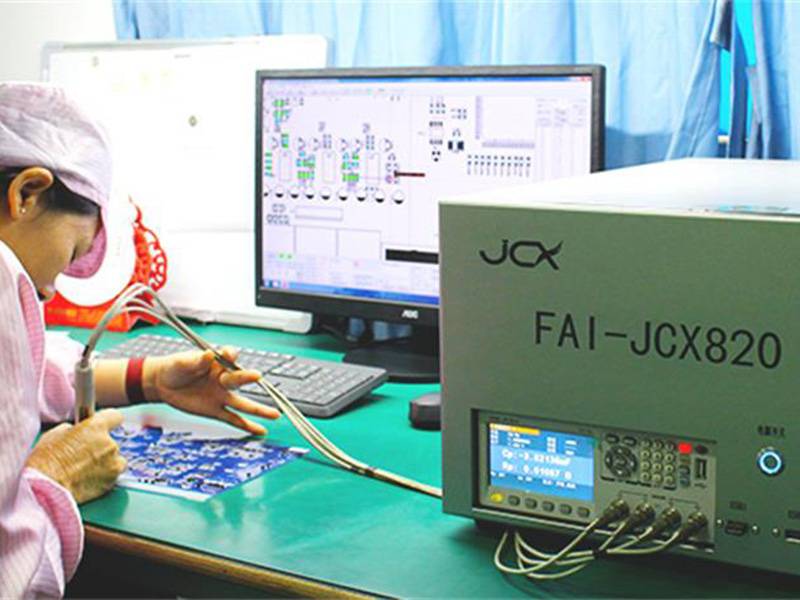
Manufactured in China — Facility and Quality Systems
SAYFU’s manufacturing partners are certified to:
- ISO 9001, ISO 14001, and UL
- IATF 16949 (most partner facilities)
- ISO 13485, AS9100, or ITAR (select facilities)
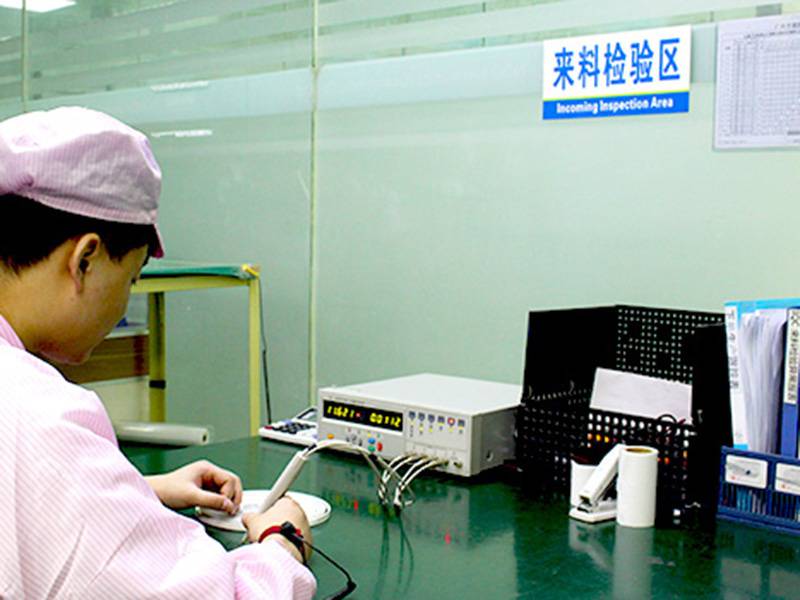
PCB fabrication quality is verified before assembly using:
- Micro-section analysis — Keyence VHX-5000 digital microscope, with dedicated sample preparation and grinding equipment
- Plating and material testing — Fisher XDML PCB 200 X-ray system, Metronelec CT100-L ionic contamination tester, GWS EK-04 aging and high-temperature oven, solderability and thermal stress testing
- Mechanical measurement — bow and twist measurement, surface roughness testing, V-cut and hole diameter inspection, Keyence IM-6225 2D measurement system
What SAYFU Reviews Before Prototype Assembly
Before a prototype build starts, SAYFU’s engineering team reviews the submitted files against the design intent and the customer’s stated requirements.
Engineering and File Review Process
Every prototype order goes through technical data and specification analysis, a customer requirement and design rule check, and DFM/DFT evaluation. When something in the files is unclear or inconsistent, SAYFU issues a technical question (TQ) back to the customer before assembly begins, rather than assembling against an assumption.
Engineering Team and Design Support
SAYFU’s engineering team:
- Over 90% of technical staff have more than ten years of industry experience
- Includes a dedicated PCB design and layout engineering team
- Factors EMI, EMC, and manufacturability into schematic review and PCB layout
- Supports high-speed, high-frequency, and high-power designs
- Works directly with files from Cadence, Mentor EE / Mentor PADS, and Altium Designer, including 99SE
Flexible Assembly Options: Turnkey, Consignment, and Partial Turnkey
| Assembly Model | Best For | Customer Provides | SAYFU Handles |
|---|---|---|---|
| Turnkey | Fast builds with standard parts | Design files and BOM approval | PCB fabrication, sourcing, assembly, inspection |
| Consignment | Special or customer-controlled parts | All components | PCB fabrication, assembly, inspection |
| Partial turnkey | Mixed sourcing needs | Critical or long-lead parts | Standard parts, PCB fabrication, assembly, inspection |
Turnkey Prototype PCB Assembly
Best for customers who want SAYFU to handle PCB fabrication, component sourcing, assembly, and inspection from a single set of design files and BOM approval.
Consignment Prototype PCB Assembly
Best for customers who already hold component inventory, or who use special, controlled, or hard-to-source parts. The customer supplies all components; SAYFU confirms packaging, quantity margin, part marking, and moisture-sensitivity handling before assembly.
Partial Turnkey Prototype PCB Assembly
Best for customers who want to supply critical ICs or long-lead-time parts themselves while SAYFU sources and assembles the remaining standard components.
Not sure which sourcing model fits your build? Send your BOM and target quantity — SAYFU can recommend turnkey, consignment, or partial turnkey before you commit.
Quick-Turn Prototype PCB Assembly and Lead Time Factors
What Affects Prototype PCB Assembly Lead Time
Lead time depends on quantity, sourcing model, component availability, assembly complexity, and testing requirements. Specific factors include:
- PCB layer count and surface finish
- Number of unique parts and total placement count
- Single- or double-sided assembly
- BGA, QFN, fine-pitch, or 0201 components
- Testing or programming requirements
- Rework or revision requests
How to Prepare Files for a Faster Quote
The fastest way to get an accurate quote is to submit complete files in one pass — see the full checklist later on this page.
Low-Volume Prototype PCB Assembly Services
Prototype PCB Assembly
Based on engineering best practices, SAYFU generally recommends 5 PCBs or 10 assembled units for prototype testing. Smaller quantities — 1 to 2 pieces — are also accepted if they meet your verification requirements. This flexible low-volume service is designed to support engineers at every stage of development, not just the first build.
Moving from Prototype to Pilot Run
Once a prototype build is validated, the same manufacturing path can take on a pilot run or low-volume build, using the BOM, sourcing decisions, and process notes already established during the prototype stage instead of starting over with a new supplier.
Ready to send a small batch for validation?
Prototype SMT PCB Assembly Capabilities
SMT Assembly
Standard SMT placement for resistors, capacitors, ICs, and connectors, sized for small-batch prototype builds.
Through-Hole Assembly
Through-hole components, connectors, and power parts, assembled by hand or wave soldering depending on the build.
Mixed SMT and THT Assembly
Many prototype boards combine SMT and through-hole components on the same board; SAYFU manages the process sequence and inspection across both.
BGA, QFN, Fine-Pitch, and 0201 Components
Assembly support for fine-pitch and area-array packages, paired with X-ray and first-article inspection for hidden joints.
Double-Sided Assembly and Rework Support
Double-sided SMT assembly, along with rework support for prototype debugging and design iteration between revisions.
Testing and Quality Control for Prototype PCBA
Process and Quality Control
SAYFU’s quality system includes:
- On-site quality inspectors and supplier audits
- A fully equipped in-house PCB testing laboratory
- Annual and spot audits
- Dedicated quality engineers responsible for process qualification
Assembly Inspection
- Visual / first-article inspection — confirms component orientation and placement on the first build
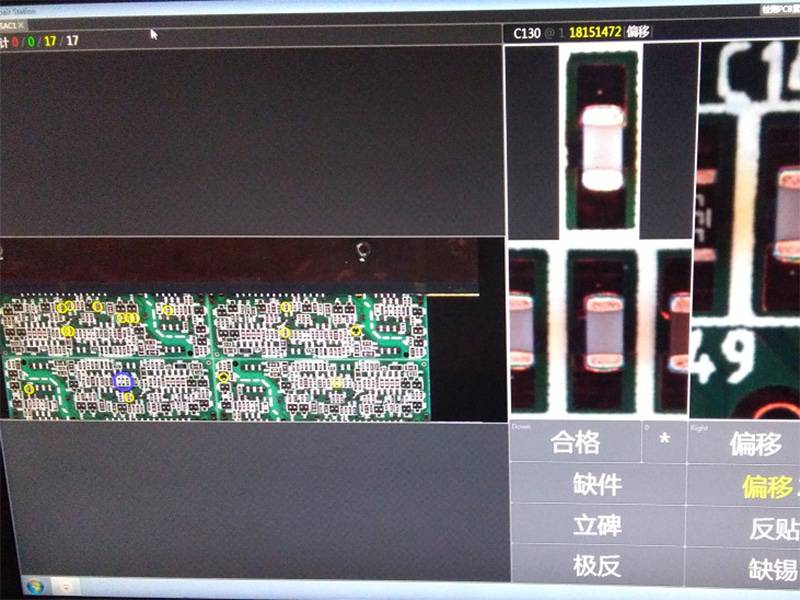
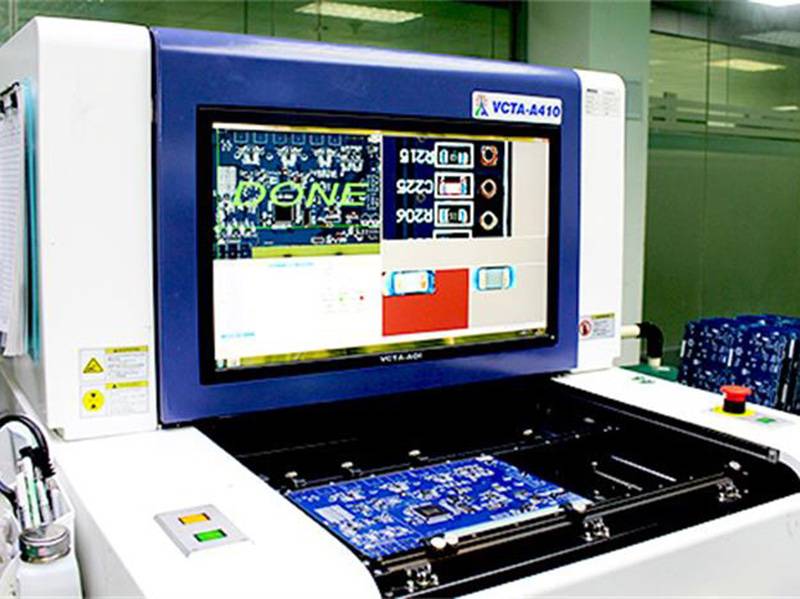
- AOI — checks SMT solder joints and placement accuracy
- X-ray — supports BGA, QFN, and other packages with hidden joints
- ICT / functional testing — available when test points, a fixture, or a test procedure are provided
PCB Fabrication Quality Testing
Because fabrication happens in the same manufacturing path, board-level quality is verified before assembly:
- Micro-section analysis
- Plating and solderability testing
- Ionic contamination testing
- Aging and thermal stress testing
- Bow and twist measurement
- Surface roughness testing
- V-cut and hole diameter inspection
How to Evaluate a Prototype PCB Assembly Partner
If you’re comparing prototype PCB assembly suppliers, here’s what’s worth checking before you commit a project.
Capability and Equipment Checklist
- Does the supplier fabricate PCBs in-house, or only assemble boards you provide?
- Can they handle BGA, QFN, fine-pitch, and mixed SMT/THT builds, not just standard placement?
Quality and Inspection Checklist
- What certifications apply, and to which facilities?
- Is there an in-house testing lab, or is inspection outsourced?
- Who reviews your files before assembly starts — and do they flag issues back to you, or assemble as-is?
Sourcing Flexibility and Lead-Time Checklist
- Can the supplier work turnkey, consignment, and partial turnkey, or only one model?
- What specifically drives their lead time — is it explained, or just a single number with no context?
Single-Vendor Fabrication and Assembly vs. Coordinating Two Suppliers
- If fabrication and assembly sit with two different vendors, every file revision and panelization question has to be confirmed twice.
- Ask whether a prospective partner can take on both under one process.
If SAYFU checks the boxes you’re looking for, send your Gerber and BOM for a quote — no obligation.
From Prototype PCB Assembly to Low-Volume and Mass Production
Skipping or rushing the prototype stage can lead to costly design errors during mass production. Prototype PCB assembly reduces development risk, shortens time-to-market, improves overall product quality, and lowers total manufacturing cost. SAYFU supports engineers throughout the full design verification and validation (DVT) process, from the first build through production scale-up.
Prototype Build Review
A summary of BOM issues, assembly risks, test results, and rework notes from the first build, used as the starting point for the next stage.
Pilot Run and Small-Batch Validation
Confirms process stability, sourcing reliability, and test procedures at a slightly larger quantity before committing to a full production run.
BOM AVL and Sourcing Stabilization
Locking in an approved vendor list, substitute-part rules, and a plan for long-lead-time components once the design is stable.
Test Fixture and Process Documentation
Building out test fixtures, test procedures, and process documentation so production runs are repeatable, not dependent on tribal knowledge from the prototype build.
Scaling Validated Designs into Production
Because fabrication and assembly already sit in one manufacturing path, moving from prototype to production doesn’t require switching suppliers or re-validating a new factory’s process.
text
Prototype RFQ → Engineering / DFM-DFT Review → Prototype Build → Pilot Run → Volume ProductionWhat to Prepare for a Faster Prototype PCBA Quote
Gerber Files
Confirms layer count, board size, surface finish, soldermask, silkscreen, and fabrication requirements.
BOM with Manufacturer Part Numbers
Confirms component sourcing, substitute parts, stock availability, and pricing.
Pick-and-Place / Centroid File
Confirms placement coordinates, side, rotation, and the assembly program.
Assembly Drawing
Confirms polarity, special assembly instructions, through-hole parts, hand-soldered positions, and critical components.
Testing or Programming Requirements
Confirms whether ICT, functional testing, firmware programming, a fixture, or a customer-supplied test procedure is needed.
Preferred Sourcing Model and Target Lead Time
Confirms turnkey, consignment, or partial turnkey, and whether the target lead time is realistic given quantity and component availability.
SAYFU’s engineering team works directly with design files from Cadence, Mentor EE / Mentor PADS, and Altium Designer, including 99SE.
Ready to Start Your Prototype PCB Assembly Build?
Share your Gerber files, BOM, centroid file, quantity, sourcing preference, and test requirements. SAYFU can review your prototype PCBA project, identify assembly risks early, and support the transition from first build to low-volume or mass production.
If you are looking for a reliable prototype PCB assembly manufacturer in China, SAYFU is ready to support your project.
Email: [email protected]
Send: Gerber files, PCB specs, and BOM list Response: Fast quotation and engineering feedback