Introduction: Why Your Assembly Model Choice Matters More Than You Think
When sourcing PCB assembly services, many companies focus heavily on selecting the right manufacturer. However, an often-overlooked decision—choosing between turnkey PCB assembly and consigned PCB assembly—can have a far greater impact on your project’s cost, lead time, and overall risk.
In today’s volatile electronics supply chain, where component shortages and price fluctuations are common, selecting the right PCB assembly model is no longer just an operational choice—it’s a strategic one. This guide provides a comprehensive, practical comparison to help engineers, procurement managers, and hardware startups make informed decisions.
What Is Turnkey PCB Assembly?
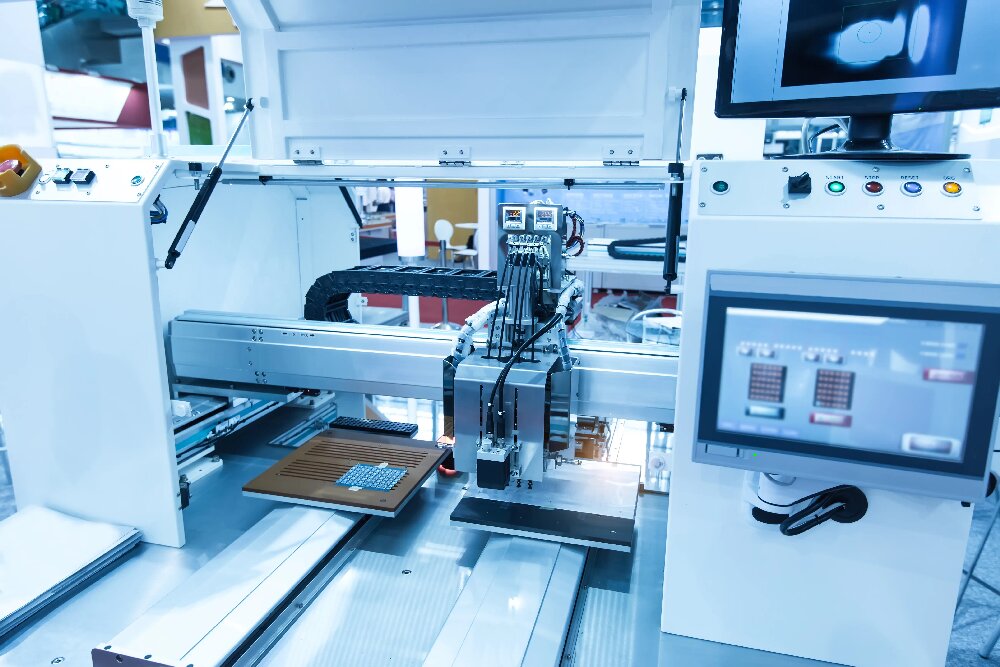
Turnkey PCB assembly is a full-service solution where the EMS (Electronics Manufacturing Services) provider handles the entire process, including component sourcing, PCB fabrication, assembly, and testing.
In this model, the manufacturer takes responsibility for managing the supply chain, ensuring component availability, and delivering a finished product ready for deployment. Turnkey PCB manufacturing is widely used by companies looking to simplify operations and reduce internal workload.
Typical use cases include rapid prototyping, startups with limited supply chain resources, and projects requiring fast time-to-market.
What Is Consigned PCB Assembly?
Consigned PCB assembly, also known as consigned manufacturing, is a model where the customer supplies some or all of the components, while the EMS provider focuses solely on assembly and production.
There are two common variations:
- Full consigned: the customer provides all components
- Partial consigned: the manufacturer sources some parts while the customer supplies the rest
This approach is often used by companies with established procurement teams or existing supplier relationships who want to maintain control over component sourcing.
Turnkey vs Consigned PCB Assembly: Key Differences at a Glance
| Dimension | Turnkey PCB Assembly | Consigned PCB Assembly |
|---|---|---|
| Material Responsibility | EMS provider | Customer |
| Supply Chain Management | Centralized | Distributed |
| Cost Structure | Bundled | Split |
| Lead Time | Typically shorter | Often longer |
| Risk Ownership | Shared/shifted to EMS | Mostly customer |
| Flexibility | High (with EMS support) | Depends on customer capability |
| Quality Control | Integrated | Variable |
This comparison highlights a fundamental truth: the difference is not just operational—it is about who controls complexity and risk.
Material Responsibility and Supply Chain Control
One of the most critical differences between turnkey and consigned PCB assembly lies in material ownership.
In turnkey PCB assembly services, the EMS provider manages component sourcing, supplier selection, and inventory. This centralized approach allows for better coordination and faster response to supply disruptions.
In contrast, consigned PCB assembly places the burden of procurement on the customer. While this offers greater control, it also introduces challenges such as supplier coordination, logistics management, and potential delays due to missing components.
In practice, many project delays in consigned models occur not during manufacturing, but during the sourcing phase.
Cost Structure: Beyond the Unit Price
A common misconception is that consigned PCB assembly is always cheaper. While the per-unit assembly cost may appear lower, this perspective ignores several hidden factors.
In turnkey PCB manufacturing, costs are bundled. This includes component sourcing, logistics, and assembly. While less transparent in traditional setups, modern EMS providers increasingly offer BOM transparency and detailed cost breakdowns.
In consigned models, costs are fragmented. Customers must account for:
- Procurement labor and management
- Inventory holding costs
- Component shortages and expedited shipping fees
- Scrap and replacement costs due to errors
When these hidden costs are considered, turnkey solutions often deliver better overall cost efficiency, especially for companies without mature supply chain systems.
Lead Time and Production Efficiency
Lead time is another area where the differences are significant.
Turnkey PCB assembly enables parallel workflows. While components are being sourced, production planning and preparation can begin simultaneously. Experienced EMS providers also leverage global supplier networks to reduce sourcing delays.
Consigned PCB assembly typically follows a sequential process. Production cannot begin until all components are delivered and verified. Any missing or incorrect part can halt the entire process.
In a market where time-to-market is critical, this difference can determine a product’s commercial success.
Risk Management and Project Stability
Risk allocation is often underestimated but plays a crucial role in project outcomes.
In turnkey PCB assembly, much of the supply chain and procurement risk is transferred to the EMS provider. This includes handling component shortages, supplier issues, and logistics disruptions.
In consigned assembly, the customer assumes most of these risks. If a component is delayed, incorrect, or defective, the responsibility lies with the customer, potentially leading to production downtime and increased costs.
For startups and companies with limited procurement experience, this risk exposure can be significant.
Quality Control and Consistency
Quality consistency is closely tied to supply chain control.
Turnkey PCB assembly allows manufacturers to source components from approved vendors, ensuring consistency across batches. Integrated quality systems help maintain high reliability, especially for complex or high-density PCB assemblies.
In consigned models, components may come from multiple suppliers with varying quality standards. This increases the risk of:
- Inconsistent performance
- Counterfeit or substandard components
- Batch-to-batch variability
For applications in medical devices, industrial control, or automotive electronics, this difference is particularly critical.
2026 Trends: How the Industry Is Evolving
The gap between turnkey and consigned PCB assembly is evolving due to several industry trends.
Digital supply chain systems now allow EMS providers to track component availability in real time, improving sourcing efficiency and reducing delays.
BOM transparency platforms are addressing traditional concerns about cost visibility in turnkey models. Customers can now access detailed pricing and sourcing data, reducing information asymmetry.
Additionally, ongoing component shortages have highlighted the importance of flexible sourcing strategies. Turnkey providers are better positioned to implement alternative components and redesigns quickly.
These trends are making turnkey PCB assembly increasingly attractive, even for companies that previously preferred consigned models.
Pros and Cons Summary
Turnkey PCB Assembly
Advantages:
- Simplified project management
- Faster lead times
- Reduced supply chain risk
- Better integration and quality control
Limitations:
- Perceived lower cost transparency (improving with new tools)
- Higher reliance on EMS provider
Consigned PCB Assembly
Advantages:
- Full control over component sourcing
- Potential cost advantages in specific scenarios
- Suitable for companies with established supplier networks
Limitations:
- Higher management complexity
- Increased risk exposure
- Longer and less predictable lead times
How to Choose: A Practical Decision Framework
Choosing between turnkey and consigned PCB assembly depends on your organization’s capabilities and project requirements.
For startups and small teams without dedicated procurement resources, turnkey PCB assembly is often the most efficient and lowest-risk option.
For large OEMs with established supply chains and strong supplier relationships, consigned assembly may offer more control and flexibility.
Project stage also matters. During prototyping and early development, turnkey solutions enable faster iteration. In mass production, some companies adopt a hybrid approach, combining turnkey sourcing with selective consigned components.
Ultimately, the right choice depends on how well your organization can manage supply chain complexity.
Common Misconceptions
One common belief is that consigned PCB assembly always reduces costs. In reality, hidden expenses such as logistics, inventory, and procurement overhead often offset the savings.
Another misconception is that turnkey solutions lack transparency. Modern EMS providers increasingly offer detailed BOM visibility and cost tracking.
Some companies also assume that managing their own sourcing reduces risk. In practice, it often increases exposure to supply disruptions and errors.
Conclusion: It’s Not About the Model, It’s About Capability
The choice between turnkey and consigned PCB assembly is not simply about cost or control. It reflects a deeper question: who is better equipped to manage supply chain complexity?
Turnkey PCB assembly is ideal for companies seeking efficiency, speed, and reduced risk. Consigned assembly suits organizations with strong procurement capabilities and the resources to manage complexity.
As the electronics industry continues to evolve, the trend is clear—integrated, intelligent supply chain solutions are becoming the new standard.
Need Help Choosing the Right PCB Assembly Model?
If you’re evaluating turnkey PCB assembly services or considering a hybrid sourcing strategy, working with an experienced EMS partner can make a significant difference.
From BOM optimization to full turnkey PCB manufacturing, the right partner can help you reduce costs, shorten lead times, and ensure consistent quality. Reach out to explore the best solution tailored to your project needs.