In today’s fast-paced electronics industry, OEMs are under constant pressure to reduce time-to-market while maintaining high product quality. This is where turnkey PCB assembly becomes a highly efficient solution.
What Is Turnkey PCB Assembly?
Turnkey PCB assembly, also known as full turnkey PCBA, is a one-stop solution provided by an electronics manufacturing services (EMS) provider.
Scope of Turnkey PCBA Services
A turnkey PCB manufacturer typically handles:
- PCB fabrication (multilayer PCB, HDI PCB, rigid-flex PCB)
- Electronic component sourcing
- BOM management and verification
- SMT assembly and through-hole assembly
- PCB testing and inspection
- Final product assembly and shipping
Unlike consigned PCB assembly, where customers supply components, turnkey PCB assembly services eliminate the need to coordinate with multiple vendors.
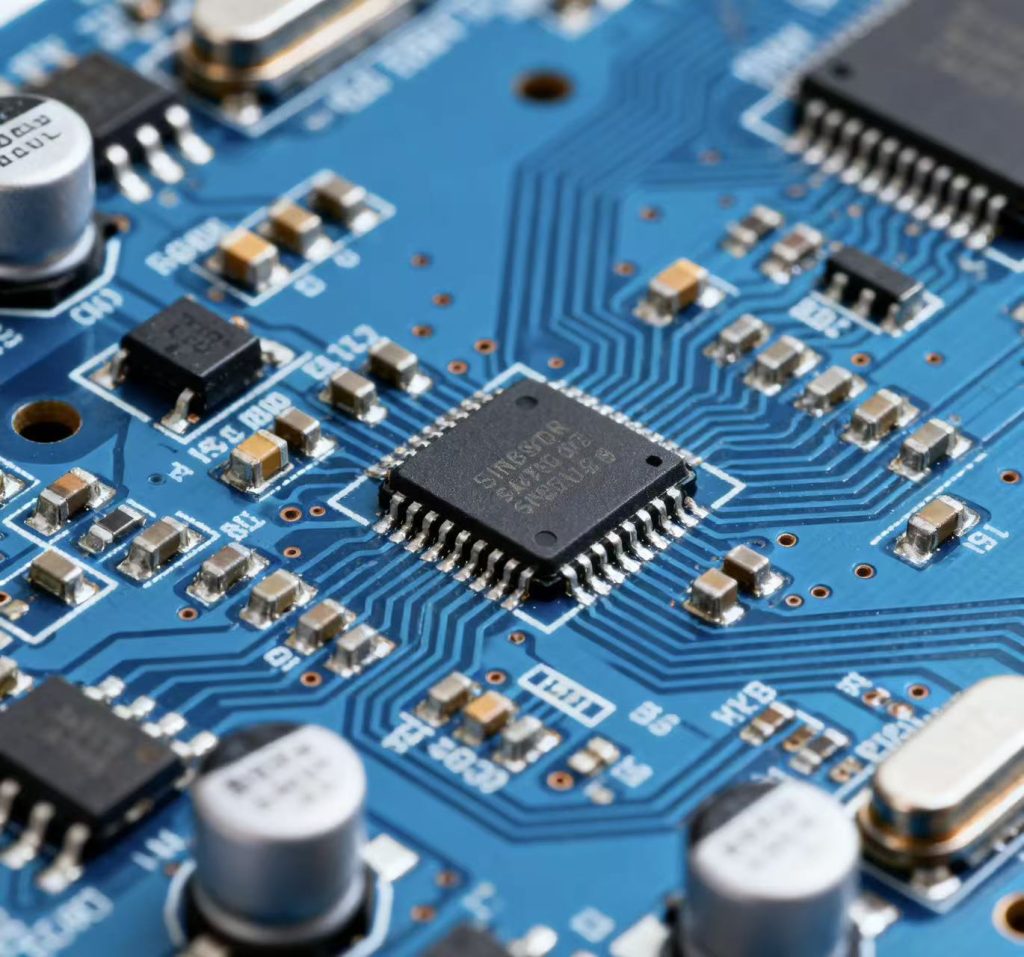
Why It Matters for OEMs
- Reduced procurement complexity
- Improved supply chain management
- Faster production cycles
- Better quality control
This model is particularly valuable in industries such as medical electronics, industrial control systems, and communication equipment, where reliability is critical.
What Is Included in Turnkey PCB Assembly Services
Full Scope of Turnkey PCB Assembly
A comprehensive turnkey solution covers the entire spectrum of printed circuit board manufacturing. The primary inclusions are:
- PCB Fabrication: Producing the bare boards based on design specifications, encompassing multilayer PCBs, high-density interconnect (HDI) PCBs, and rigid-flex PCBs.
- Component Sourcing: Identifying, negotiating, and purchasing all required electronic parts from global distributors.
- BOM Management: Strictly managing the Bill of Materials (BOM) to ensure exact part numbers, tolerances, and authorized alternatives are used.
- PCB Assembly Services: Populating the boards using Surface Mount Technology (SMT assembly) and through-hole assembly processes.
- PCB Testing and Inspection: Conducting rigorous automated and manual checks to ensure the final product functions perfectly.
Turnkey vs Consigned PCB Assembly
Understanding the difference between turnkey and consigned assembly is vital for supply chain optimization. In a consigned PCB assembly model, the OEM is responsible for sourcing all components and shipping them to the assembly house. In contrast, turnkey transfers the entire procurement burden to the manufacturer.
Consigned assembly is typically used when an OEM has proprietary, highly sensitive components, or existing surplus stock they need to use. However, it requires massive logistical effort on the OEM’s part. Turnkey assembly is the preferred choice for most modern hardware startups and established enterprises alike, as it eliminates shipping bottlenecks and inventory storage costs. While consigned assembly might seem cheaper upfront regarding component markups, the hidden costs of shipping, delays, and internal labor often make turnkey the more cost-effective and scalable choice.
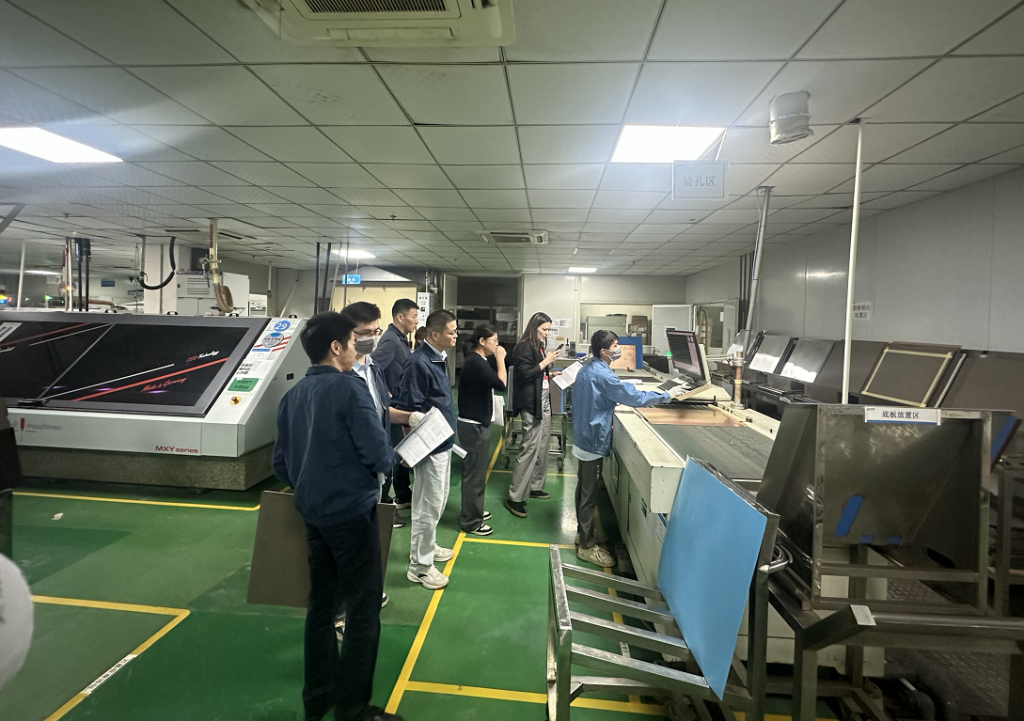
Step-by-Step Turnkey PCB Assembly Process
Engineering Review and DFM Analysis
DFM and DFA Checks
Before a single board is manufactured, expert engineers conduct Design for Manufacturability (DFM) and Design for Assembly (DFA) analyses. This begins with a thorough Gerber file review to ensure all design layers translate correctly to physical manufacturing. Engineers scrutinize the pad and layout design to prevent soldering issues and verify the stack-up design to guarantee proper electrical performance and structural integrity.
Common Design Issues
Skipping the DFM stage can lead to severe manufacturability problems. Common design issues include inadequate spacing between components, incorrect footprint sizes, and missing fiducial marks. These design errors bring significant risks, potentially leading to electrical shorts, component collisions during assembly, or outright board failure, which ultimately causes expensive production delays.
Component Sourcing and BOM Management
Component Procurement Strategy
A robust turnkey partner employs a strict component procurement strategy. This involves utilizing authorized sourcing channels to guarantee component authenticity. Additionally, active lifecycle management is applied to the BOM; if a part is nearing obsolescence, the EMS provider will notify the OEM and suggest reliable, drop-in replacements to future-proof the product.
Supply Chain Risks
The electronics industry is fraught with supply chain risks. Counterfeit electronic parts are a massive threat that can lead to catastrophic product failures in the field. Furthermore, component shortages and unexpectedly long lead times can halt production entirely. A strong turnkey provider leverages their global purchasing network to bypass these hurdles, ensuring authentic parts are secured on time.
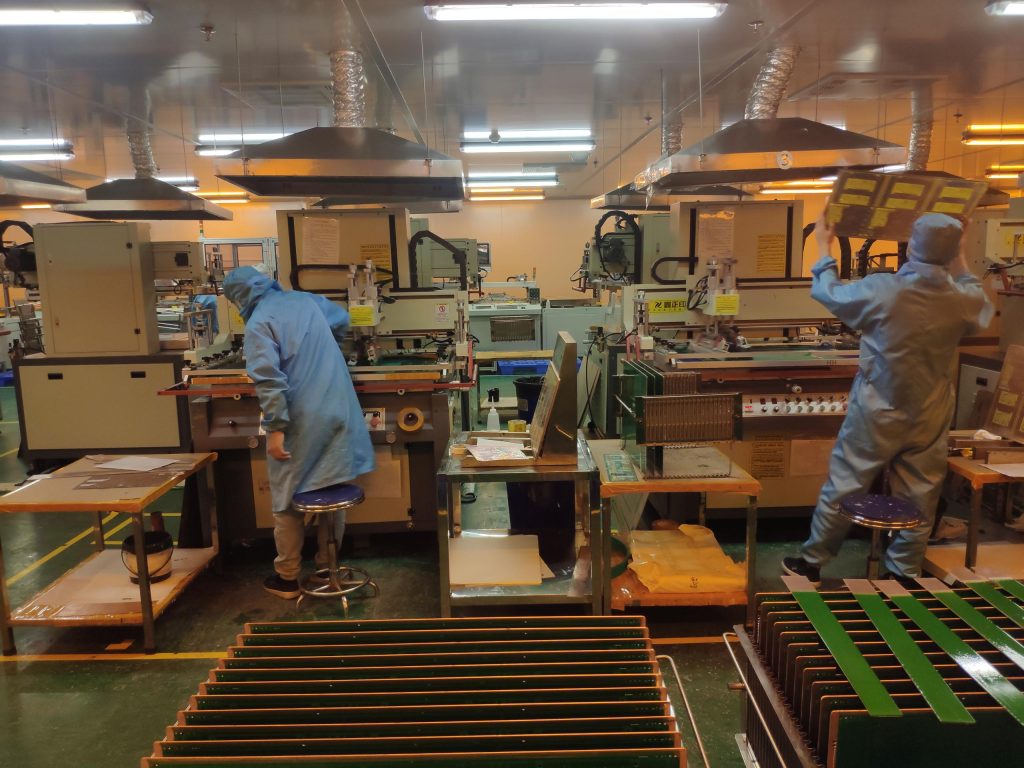
PCB Fabrication Process
Types of PCB Manufacturing
Depending on the application, bare board fabrication varies in complexity. Standard electronics often utilize multilayer PCBs (ranging from 4 to 32+ layers) to route complex circuits. Advanced compact devices require HDI PCBs, which use microvias and ultra-fine lines to save space. High-speed communication devices necessitate controlled impedance PCBs to prevent signal degradation.
Material and Surface Finish Options
Material selection dictates the board’s thermal and electrical performance. Standard FR4 is used for most commercial electronics, while specialized materials like Rogers are deployed for high-frequency RF applications. The board must also receive a surface finish to protect exposed copper and provide a solderable surface. Common options include ENIG (Electroless Nickel Immersion Gold) for flat, lead-free durability, HASL (Hot Air Solder Leveling) for cost-effectiveness, and OSP (Organic Solderability Preservatives).
SMT Assembly and Through-Hole Assembly
SMT Assembly Process
Surface Mount Technology is the backbone of modern PCB assembly. The process begins with solder paste printing, where a stencil is used to apply solder paste precisely onto the board’s pads. Next, automated pick and place machines rapidly mount tiny surface-mount components onto the paste. Finally, the board passes through reflow soldering, a specialized oven that melts the solder paste to form permanent electrical and mechanical connections.
Advanced Assembly Capabilities
High-tier turnkey manufacturers offer advanced assembly capabilities. This includes placing complex packages like BGA (Ball Grid Array) and QFN (Quad Flat No-leads), which require extreme precision since their solder joints are hidden beneath the component. They also routinely handle double-sided PCB assembly for dense, space-constrained designs.
Through-Hole Assembly
For components that require strong mechanical bonds—such as heavy connectors or power relays—Through-Hole Technology (THT) is utilized. This involves wave soldering, where the bottom of the board is passed over a molten wave of solder, or precise manual insertion and hand-soldering for custom or heat-sensitive parts.
PCB Testing and Quality Inspection
Inspection Methods
Quality assurance is woven into the turnkey process. Automated Optical Inspection (AOI) uses high-resolution cameras to check for missing parts, misalignments, and solder bridges. X-ray inspection is specifically deployed to examine the hidden solder joints of BGA and QFN components. Finally, ICT testing (In-Circuit Testing) checks individual component values, while functional testing powers up the board to verify it operates exactly as intended in its final environment.
Quality Metrics
Top EMS providers track strict quality metrics, heavily emphasizing First Pass Yield (FPY)—the percentage of boards that pass all tests the very first time without needing rework. High FPY indicates a stable, optimized manufacturing process with rigorous defect control.
Final Assembly and Delivery
Post-Processing
After assembly and testing, boards undergo post-processing. This includes thorough cleaning to remove any corrosive flux residues. For products meant to operate in harsh environments, a conformal coating is applied to protect the circuitry from moisture, dust, and chemical exposure.
Packaging and Logistics
The final step is secure packaging and logistics. Fully assembled boards are packed using strict ESD (Electrostatic Discharge) protection to prevent static damage. The turnkey provider then manages global shipping, routing the finished box build assembly directly to the OEM’s warehouse or even straight to the end consumer.
Advantages of Turnkey PCB Assembly
Simplified Supply Chain Management
The most immediate benefit is the absolute simplification of supply chain optimization. By consolidating vendors, OEMs no longer need dedicated internal procurement teams chasing down delayed shipments, cross-referencing datasheets, or negotiating with individual fabricators.
Faster Time-to-Market
Because the turnkey provider manages fabrication and sourcing concurrently, the overall production timeline shrinks. This lead time reduction allows hardware companies to launch their products faster, gaining a crucial competitive edge in fast-moving technology markets.
Improved Quality Control
When a single entity handles everything from the Gerber file review to final functional testing, quality control becomes holistic. If a design flaw is spotted during fabrication, it can be corrected before parts are even ordered, drastically reducing the chance of full-batch failures.
Cost Efficiency
While it may appear that handling procurement internally saves money, the economies of scale dictate otherwise. Turnkey manufacturers buy components in massive volumes, securing lower prices. Add in the savings on shipping, storage, and reduced administrative overhead, and turnkey PCBA almost always results in superior long-term cost efficiency.
Key Factors When Choosing a Turnkey PCB Assembly Manufacturer
Quality Certifications
The baseline for any reliable manufacturer is their quality management systems. Look for ISO 9001 certification as a standard for operational quality. If you are developing medical devices, ensuring the facility holds an ISO 13485 certification is absolutely mandatory for regulatory compliance.
Engineering Support Capability
A manufacturer is only as good as its engineering team. You should evaluate their DFM speed—how quickly and accurately they can return a manufacturability report. Strong technical support capability means they act as an extension of your own R&D team, actively solving problems rather than just blindly printing boards.
Testing and Inspection Capability
Never compromise on testing infrastructure. Ensure the manufacturer has modern, high-tier inspection equipment on-site, particularly advanced AOI and 3D X-ray machines. A lack of proper testing equipment guarantees higher failure rates in the field.
Supply Chain Strength
Evaluate the EMS provider’s global purchasing power. Do they have strong relationships with major distributors? More importantly, do they have strict anti-counterfeit mechanisms and incoming material inspection protocols? A robust supply chain network is your best defense against component shortages.
Production Flexibility
The ideal partner should grow with you. Look for production flexibility that seamlessly transitions from quick-turn prototype PCB assembly for R&D, to low volume PCB assembly for beta testing, all the way up to scalable mass production.
Common Challenges in Turnkey PCB Assembly
Component Shortages
Global supply chain disruptions frequently cause critical component shortages. Experienced turnkey providers mitigate this by forecasting demand, maintaining safety stock of common parts, and utilizing cross-reference engineering to find viable alternatives quickly.
Design Issues
Many projects face delays due to unoptimized designs. If a board is designed without DFA in mind, it will require costly rework. Proactive engineering reviews at the very beginning of the turnkey process are essential to catch these issues before production starts.
Quality Control Risks
Handing over total control means trusting the partner’s quality standards. If the manufacturer cuts corners on testing, defective products will reach the end user. This risk is managed by setting clear Acceptable Quality Level (AQL) standards and reviewing the manufacturer’s inspection logs.
Communication Gaps
Because turnkey covers multiple complex phases, poor communication can lead to misaligned expectations. Choosing a manufacturer that provides a dedicated project manager and transparent, real-time tracking of the production lifecycle is crucial to avoiding expensive misunderstandings.
Conclusion
Why Turnkey PCB Assembly Is the Preferred Choice
Turnkey PCB assembly has revolutionized how hardware is brought to life. By combining bare board fabrication, component sourcing, sophisticated SMT assembly, and rigorous testing under one roof, it removes the massive logistical burdens from the OEM. It offers an unparalleled blend of simplified supply chain management, rapid time-to-market, and robust quality assurance. For modern tech companies looking to scale efficiently while focusing their internal resources on design, innovation, and marketing, turnkey PCBA is undeniably the preferred and most strategic choice.
Would you like me to generate a tailored DFM checklist or a supplier evaluation questionnaire to help you prepare for your next turnkey PCBA project?