Savings in PCB assembly:Printed Circuit Board (PCB) assembly is a critical process in electronics manufacturing, and cost optimization is a perennial challenge for companies seeking to maintain competitiveness. While material selection and design optimization are often highlighted as cost-saving levers, the most significant opportunities for substantial savings lie in process efficiency and waste reduction. This article explores the multifaceted approach to achieving cost savings in PCB assembly, with a particular emphasis on process optimization.
Material Selection and Design Optimization
Material costs constitute a substantial portion of PCB assembly expenses. Choosing cost-effective materials that meet performance requirements without compromising quality can lead to significant savings. Design optimization plays a equally important role; simplifying board layouts, reducing layer counts, and minimizing component footprints contribute to lower material usage and improved manufacturing efficiency.
Highlights:
To reduce the PCBA cost:
1.Clearly define component boundaries
2.Prefer SMDs as they are compatible with automated assembly.
3.Choose standardized passive components such as 0201, 0402, 0603, and 0805
4.Opt for RoHS-compliant components.
Process Efficiency as the Primary Cost-saving Driver
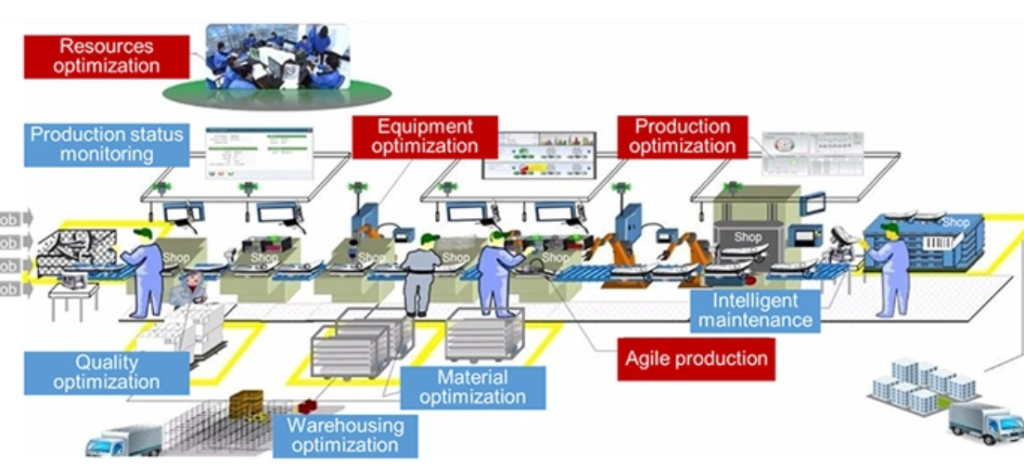
While material and design factors are important, the most impactful opportunities for cost reduction emerge from optimizing the assembly process itself. The PCB assembly process consists of several key stages:
- Solder Paste Application: Precise dispensing of solder paste affects both quality and material usage
- Component Placement: High-speed pick-and-place operations determine throughput
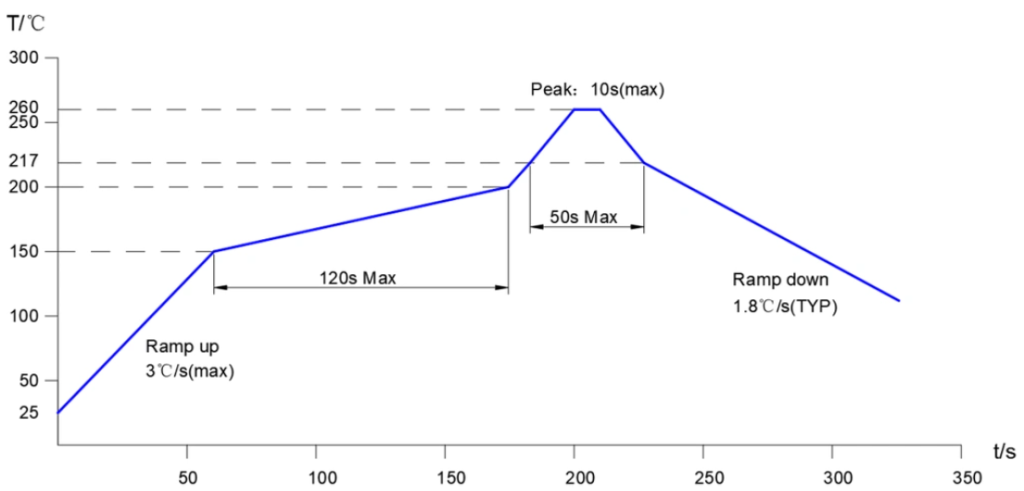
- Reflow Soldering: The reflow process impacts yield rates and energy consumption
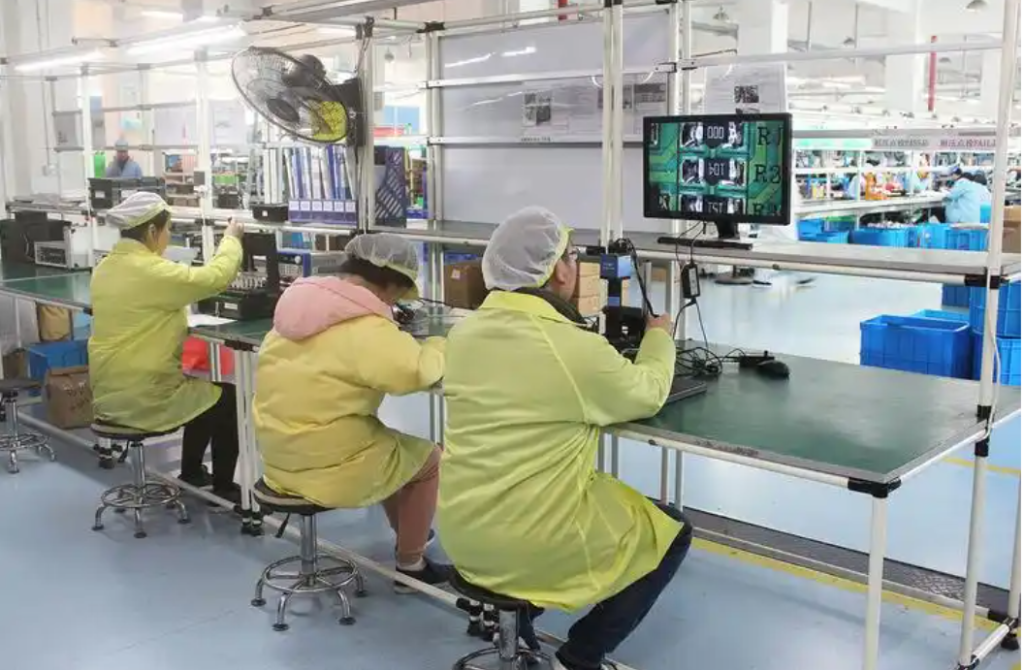
- Inspection: Quality control processes catch defects early to prevent costly rework
Each of these stages presents opportunities for efficiency improvements that translate directly into cost savings.
Waste Reduction Strategies for key to cost savings in PCB assembly
One of the most effective ways to reduce costs in PCB assembly is through systematic waste reduction. This encompasses several dimensions:
- Material Waste: Minimizing excess solder paste, reducing board scrap, and optimizing component usage
- Rework Waste: Implementing effective quality control to minimize defects and rework requirements
- Energy Waste: Optimizing reflow oven temperatures and cycle times to reduce energy consumption
- Time Waste: Streamlining workflows and reducing idle time between process steps
Lean Manufacturing Principles
Adopting lean manufacturing principles can significantly enhance cost savings in PCB assembly. These include:
- Workforce Optimization: Cross-training employees to perform multiple tasks
- Workflow Streamlining: Implementing efficient layouts and process flows
- Quality Control Integration: Building inspection into every process step
- Inventory Management: Just-in-time component ordering to reduce storage costs
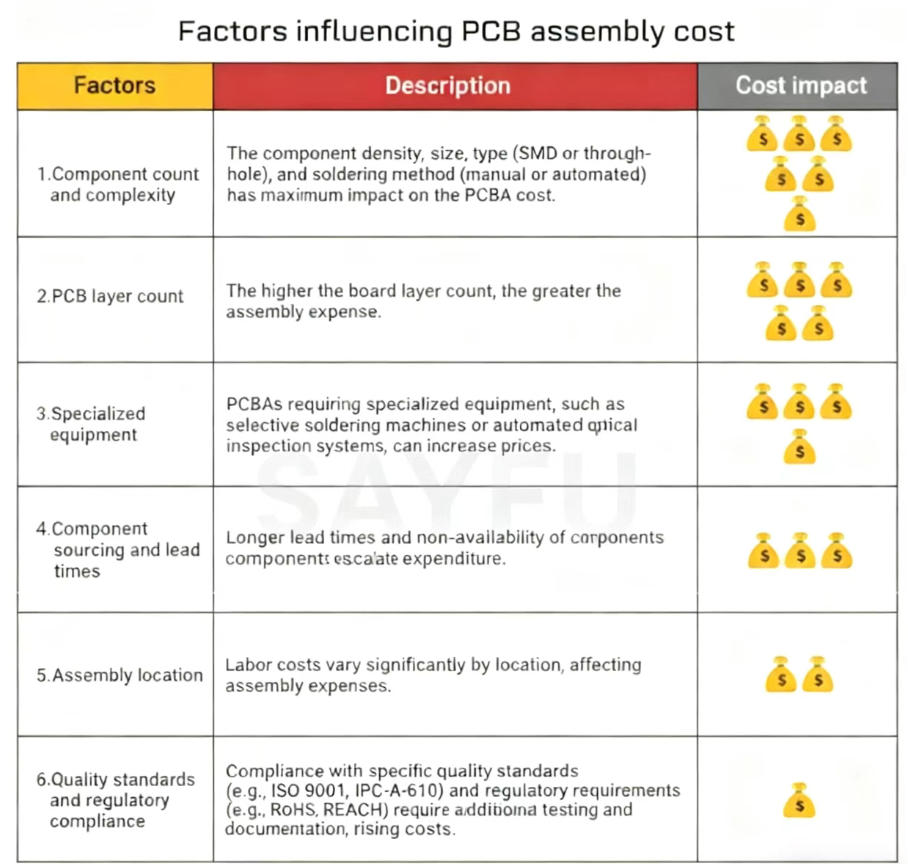
6 factors that impact your PCB assembly price
Conclusion
While material selection and design optimization provide important avenues for cost savings, the most substantial opportunities for reducing PCB assembly costs lie in process efficiency and waste reduction. By implementing lean manufacturing principles, optimizing each stage of the assembly process, and systematically targeting waste reduction, manufacturers can achieve significant cost savings while maintaining or improving product quality. As the electronics industry continues to evolve, companies that master these process-oriented cost-saving strategies will be best positioned for long-term success in competitive markets.
11 steps to conduct a cost-benefit analysis for your PCB assembly
- Clearly define your specific cost reduction objectives ifyou are aiming to reduce component costs,labor costs, or overall manufacturing costs which will guide your analysis.
- Break down the cost components associated with PCB assembly. These typically include -Component costs (e.g., resistors,capacitors, lCs). -Labor costs(e.g.,assembly, soldering,inspection). -Material costs (e.g., printed circuit board, solder, adhesives, hardware). -Overhead costs (e.g., facility costs, equipment maintenance).
3.Identiv potentlal assembly price reduction stratedles, as discussed in the above sections, that can be aopled to vour board design.
- Estimate the potential savings associated with each cost-reduction strategy. Use historical data, quotes from suppliers, or industry benchmarks to obtain accurate cost figures.
- Evaluate the complexity and feasilbility of implementing each cost-reduction strategy, Some strategies may reguire desion changes, while others may involve changes in the manufacturing process or supplier relationships.
- Consider the risks associated with each price reduction strategy. Wil the changes introduce new relability or quality issues? Assess the impact othese risks on the overall project.
- Assess any trade-ofs between cost reduction and other design considerations,such as performance, quality, and time-to-market. Determine whetherany compromises are acceptable.
- Based on your analysis, prioritize the price reduction strategies that offer the most significant benefits with manageable risks
- Consider the overall impact of the cost reduction methods on the project budget, schedule, and performance goals.
- Document your analysis,findings, and decisions. This documentation can be valuable for project stakeholders, including management and manufacturing teams.
- Continuously monitor and evaluate the efectiveness of the implemented cost-reduction strategies, Make adiustments as needed to achieveongoing cost savings.
To reduce assembly costs, choose PCB component management services. Here, your fabricator handles procurement and storage of allthe reouiredparts.
Key takeaways:
-Maintain consistent footprint sizes and shapes for simplified assembly.
-Provide ample part-to-part spacing to avoid fabrication errors and facilitate manual soldering.
-Avoid overpopulating the PCB to reduce assembly time and costs.
-Desian consistent component orientations to streamline the assembly process.
-Minimize component rotation anales for simplified pick-and-place processes
-Opt for components that can snap toaether to minimize fasteners and reduce assembly time
-Include desianated test points and labels for efficient testina and debuaaina.