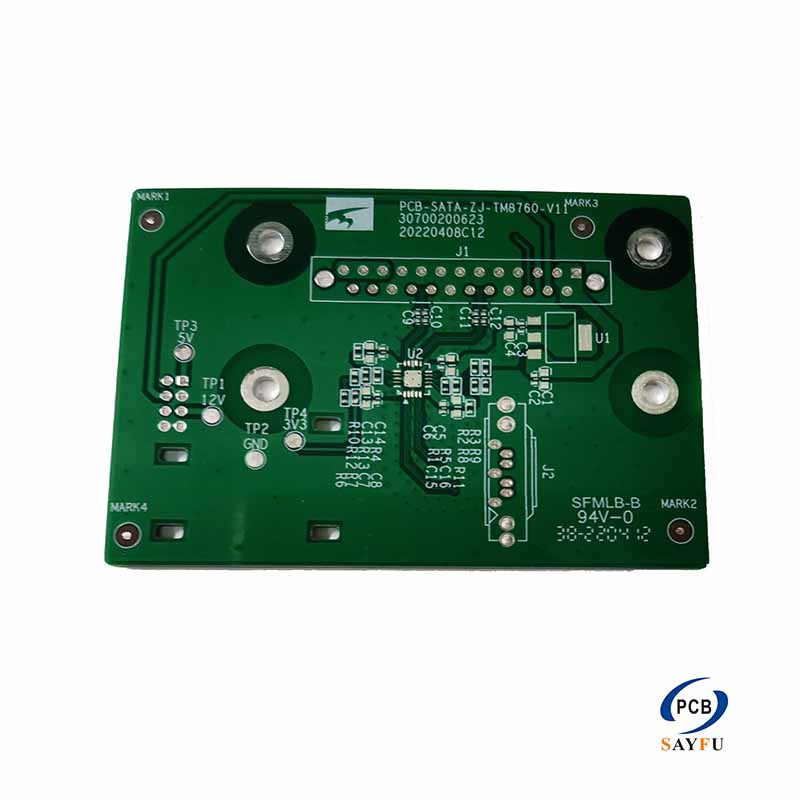
Meeting Modern Environmental and Performance Demands
Key Advantages for Halogen-free PCB
The demand for halogen-free PCB has become larger and larger. Not only because of their low water absorption ,but also the environmental protection requirements. And halogen-free PCB can also meet the quality requirement in other performance .
Let us know some detailed features of halogen-free materials as below
The substitution of P or N for the halogen atom reduces the polarity of the molecular bond of the epoxy resin to a certain extent, thereby improving the insulation resistance and the puncture resistance of the quality.
Applications and Future Outlook for Halogen-free PCB
The water absorption of the material is lower than that of the conventional halogen flame retardant materials. For materials, low water absorption has a certain impact on improving the reliability and stability of the material.
Halogen-free PCBs represent a significant advancement in electronics manufacturing. These circuit boards are produced without using brominated or chlorinated flame retardants, which were common in traditional materials like standard FR-4.
Both the monomer molecular weight and the Tg value are increased. In the case of heat, the molecular mobility of the molecule will be lower than that of the conventional epoxy resin, and thus the halogen-free material has a relatively small coefficient of thermal expansion.
Beyond being “green,” these PCBs offer performance benefits. They typically generate less smoke and produce more stable char when exposed to flame. For high-temperature applications, many halogen-free materials also exhibit improved thermal reliability.
Conclusion
While they may cost slightly more and require some manufacturing adjustments, the advantages are clear. The adoption of halogen-free PCBs is now a standard practice for responsible electronics companies, ensuring products are safer throughout their entire lifecycle.
This commitment to innovation ensures reliable technology that aligns with a global push for a cleaner, healthier planet, making them the unequivocal choice for the future of electronics.